Starting chemotherapy brings up a lot of questions. Many patients want to know what their body will go through, how bad it might get, and whether the discomfort is something to worry about or something that simply needs to be waited out. This guide walks through the most common chemotherapy side effects, why they happen, and practical ways to manage them, so you and your family can feel more prepared for what lies ahead.
Every patient’s experience is different. The information here is meant to help you understand general patterns, not to predict exactly what will happen to you. Your oncology team knows your specific treatment plan and is always your best source for personalised guidance.
This guide covers chemotherapy side effects and management in a practical way, from the symptoms you might notice after your first infusion to the support available for chemotherapy patient care throughout your treatment.
What Are Chemotherapy Side Effects?
Chemotherapy side effects are the physical and sometimes emotional changes that happen because chemotherapy medicines don’t only target cancer cells. They also affect healthy, fast-growing cells in the body, such as those in the digestive tract, hair follicles, and bone marrow. This is what leads to the symptoms most people associate with cancer treatment.
Side effects of chemotherapy can range from mild and manageable to more serious and require the same amount of caution. Some patients sail through their treatment with only minor discomfort. Others find certain cycles harder than others. Both experiences are normal, and neither means the treatment is or isn’t working.
It helps to remember that chemotherapy side effects in cancer patients depend on several factors:
- The specific chemotherapy medicine or combination of medicines used
- The dose and how often treatment is given
- The type and stage of cancer being treated
- The patient’s overall health, age, and any other medical conditions
- How the individual body responds, which can vary even among people receiving the same regimen
Because of this, no two patients go through chemotherapy in exactly the same way, even if they are being treated for the same type of cancer.
Chemotherapy side effects symptoms can also show up in different combinations from one treatment cycle to the next. A symptom that felt mild in an earlier cycle may feel stronger later on, or it may ease off entirely. This is a normal part of how the body adjusts to ongoing cancer treatment side effects, and it’s one more reason why regular check-ins with your care team matter throughout the process.
Why Does Chemotherapy Cause Side Effects?
Cancer cells grow and divide quickly, and chemotherapy is designed to interrupt that process. The challenge is that some healthy cells in the body also divide quickly, including cells in the bone marrow, the lining of the mouth and gut, and hair follicles. When chemotherapy affects these healthy cells along with cancer cells, side effects appear.
This is also why side effects tend to improve once treatment is finished. Once the medicine is no longer suppressing healthy cell growth, the body has a chance to repair and rebuild itself. That process takes time, and how long it takes is different for each person.
Understanding this underlying reason can make chemotherapy symptoms feel a little less confusing. They aren’t a sign that something has gone wrong. They’re an expected part of how these medicines work in the body, and they’re something your care team plans for from the very start of treatment.
Common Chemotherapy Side Effects
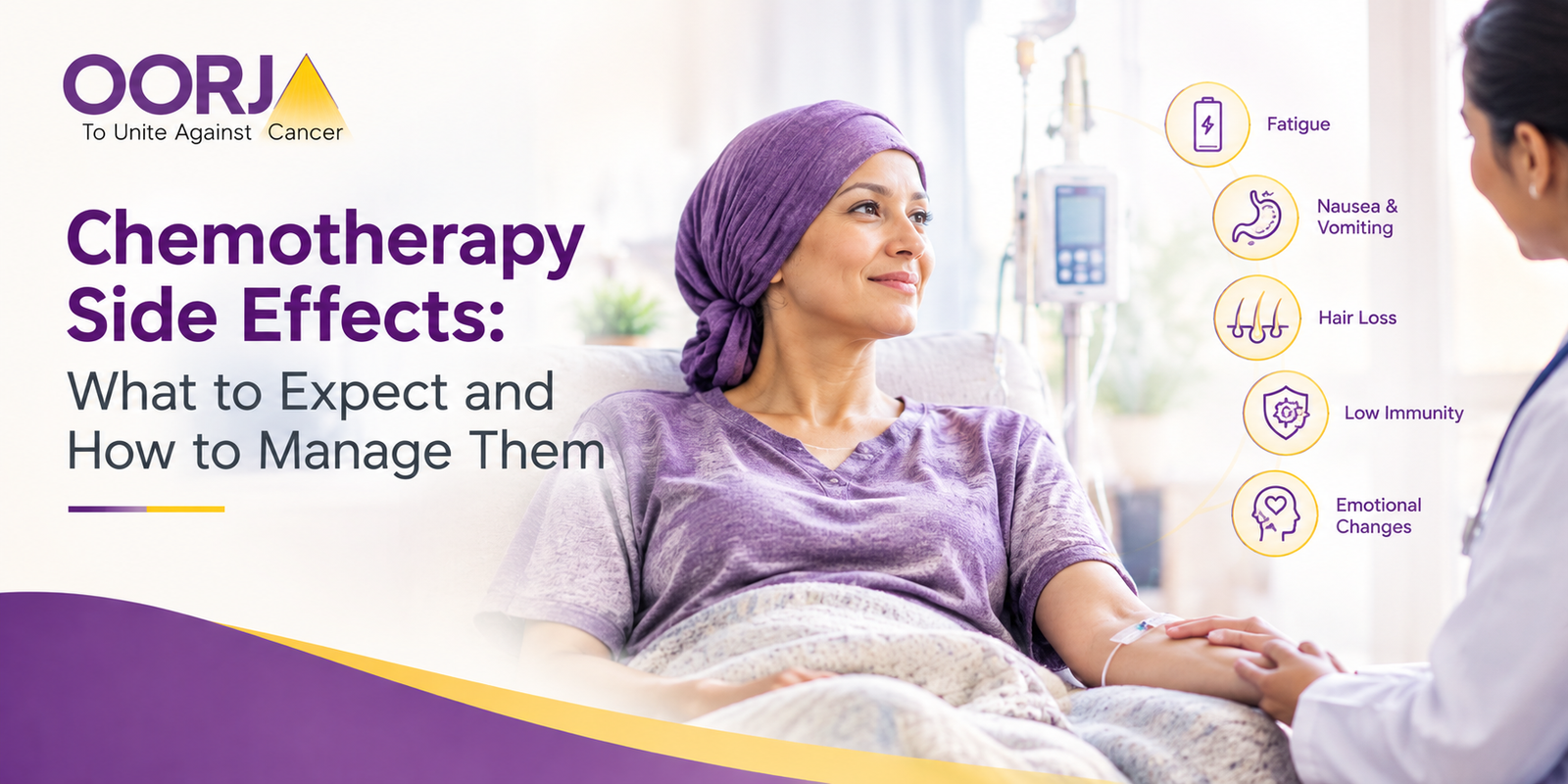
Not every patient will experience every side effect listed here. Some people notice only one or two mild symptoms, while others deal with a wider range. Understanding what’s common can help you recognise what you’re going through and feel less alone in it. These are the common chemotherapy side effects most patients are told to watch for.
Chemotherapy Fatigue
Chemotherapy fatigue is one of the most frequently reported symptoms. It’s different from ordinary tiredness. It can feel like a deep exhaustion that doesn’t fully go away with rest, and it can affect concentration, motivation, and mood as well as the body.
This kind of tiredness can also build up gradually as a chemotherapy cycle side effect, meaning it may feel stronger by the third or fourth treatment than it did during the first one.
Chemotherapy Nausea and Vomiting
Chemotherapy nausea and vomiting used to be one of the most feared parts of treatment, but modern anti-nausea medicines have made this far more manageable for most patients. Some people feel queasy for a day or two after treatment, while others feel little to no nausea at all.
Chemotherapy Hair Loss
Chemotherapy hair loss happens because hair follicles are among the fast-dividing cells that certain chemotherapy medicines affect. Not every chemotherapy drug causes hair loss, and when it does happen, it’s usually temporary. Hair typically starts growing back a few weeks after treatment ends.
Low Blood Counts During Chemotherapy
Chemotherapy low blood count is a common and important side effect because bone marrow, where blood cells are made, is sensitive to many chemotherapy drugs. This can lower:
- White blood cells, which help fight infection
- Red blood cells, which carry oxygen through the body
- Platelets, which help blood clot
Low white blood cell count chemotherapy patients experience is sometimes called neutropenia, and it raises the risk of infection. Low platelet count chemotherapy patients experience can increase the risk of bruising or bleeding. Your care team will monitor your blood counts regularly through routine testing.
Chemotherapy Mouth Sores
Chemotherapy mouth sores, also called mucositis, occur when the delicate lining of the mouth is affected by treatment. They can make eating, drinking, and even talking uncomfortable for a period of time.
Good oral hygiene before treatment even begins is a simple but often overlooked part of chemotherapy patient care, and it can lower the chances of sores becoming severe.
Chemotherapy Loss of Appetite and Taste Changes
Chemotherapy loss of appetite is common and can be linked to nausea, mouth sores, fatigue, or changes in how food tastes and smells. Some patients describe a metallic taste or a sudden dislike for foods they used to enjoy.
Constipation and Diarrhoea
Digestive changes are common chemotherapy side effects. Some medicines slow down digestion and cause constipation, while others speed it up and cause diarrhoea. The right approach depends on which symptom you’re experiencing, so it’s worth mentioning to your care team rather than guessing at a solution.
Skin and Nail Changes
Skin can become dry, sensitive, or slightly discoloured during treatment. Nails may become brittle, develop ridges, or darken. These changes are usually temporary and improve once treatment ends.
Tingling or Numbness in the Hands and Feet
This symptom, known as peripheral neuropathy, happens when chemotherapy affects the nerves. It can feel like tingling, numbness, or a burning sensation, most often in the fingers and toes. It’s worth reporting early, since catching it sooner can help prevent it from becoming more severe.
Emotional and Cognitive Changes
Some patients also notice mood swings, anxiety, or mild memory and concentration issues sometimes referred to as “chemo brain.” These are real chemotherapy treatment side effects, not something patients imagine, and they’re worth mentioning to your care team rather than pushing through quietly.
How to Manage Chemotherapy Side Effects
Chemotherapy side effects treatment usually involves a mix of medicines, lifestyle adjustments, and close communication with your care team. Many side effects can be prevented, reduced, or treated when they’re addressed early, so don’t wait until a symptom becomes severe before mentioning it.
Here’s a general overview of how to manage chemotherapy side effects, with specific strategies for the most common symptoms below.
Chemotherapy side effects how to manage them well often comes down to preparation. Knowing what medicines you’ve been prescribed for symptom control, keeping them on hand, and using them as directed can prevent a manageable symptom from becoming a difficult one. Good chemotherapy supportive care isn’t an afterthought. It’s built into your treatment plan alongside the chemotherapy itself.
How to Manage Chemotherapy Nausea and Vomiting
- Take anti-nausea medicines exactly as prescribed, even before you feel sick, since they work best when taken preventively
- Eat small, frequent meals instead of large ones
- Choose bland, easy-to-digest foods and avoid greasy or strongly spiced dishes
- Sip water, ginger tea, or electrolyte drinks slowly throughout the day
- Rest in an upright position after eating rather than lying flat
- Let your care team know if nausea isn’t controlled, since your anti-nausea plan can often be adjusted
How to Manage Chemotherapy Fatigue
- Balance rest with light activity, such as short walks, which can actually help energy levels over time
- Prioritise tasks and don’t hesitate to accept help from family or friends
- Keep a consistent sleep schedule where possible
- Stay hydrated and eat regularly, even if appetite is low
- Mention persistent or worsening fatigue to your doctor, since it can sometimes be linked to low blood counts
How to Manage Chemotherapy Hair Loss
- Consider cutting hair shorter before treatment starts, which some patients find makes the transition easier
- Use a soft-bristle brush and gentle, fragrance-free shampoo
- Protect the scalp with sunscreen or a hat when outdoors
- Explore wigs, scarves, or head coverings if you’d like, based on personal comfort and preference
- Remember that hair usually grows back after treatment ends, sometimes with a different texture at first
How to Manage Chemotherapy Mouth Sores
- Rinse your mouth gently with a salt and baking soda solution, or one recommended by your care team
- Use a soft toothbrush and avoid alcohol-based mouthwashes
- Choose soft, cool, or room-temperature foods over hot or spicy ones
- Avoid acidic foods and drinks like citrus juice while sores are present
- Report severe pain or sores that make eating or drinking difficult, since prescription treatments are available
How to Manage Chemotherapy Loss of Appetite
- Eat smaller meals more frequently rather than forcing three large meals a day
- Keep easy, high-protein snacks nearby, such as yoghurt, eggs, or nut butters
- Try eating when you feel most hungry, even if that’s not a typical mealtime
- Use herbs and mild seasonings to work around taste changes
- Speak with a dietitian if weight loss becomes a concern, since nutritional support can be tailored to your needs
How to Manage Low Blood Counts During Chemotherapy
- Wash hands frequently and avoid close contact with people who are sick
- Cook food thoroughly and avoid raw or undercooked meat, eggs, and unpasteurised products if your white blood cells are low
- Use a soft toothbrush and an electric razor to reduce the risk of cuts if platelets are low
- Watch for and report fever, unusual bruising, or bleeding right away
- Attend all scheduled blood tests, since they let your team catch changes early and adjust your treatment plan if needed
Chemotherapy Side Effects Timeline
Many patients find it useful to have a general sense of when symptoms tend to appear, even though the chemotherapy side effects timeline varies depending on the specific medicine, dose, and individual response.
- First 24 to 48 hours after treatment: Nausea, tiredness, and mild flu-like symptoms are most common during this window
- Days 3 to 7: Fatigue may deepen, and this is often when blood counts start to drop, raising infection risk
- Days 7 to 14: Blood counts often reach their lowest point, sometimes called the nadir, so extra caution around infection is important during this time
- Days 10 to 21: Hair loss, if it’s going to happen with your specific medicine, often begins during this window
- Before the next cycle: Many patients start to feel somewhat better as blood counts recover, though this timing differs from person to person
This timeline is a general guide, not a fixed schedule. Some patients notice symptoms earlier or later, and some chemotherapy medicines follow a different pattern entirely. Your oncology team can tell you what to expect with your specific regimen.
Keeping a rough log of your chemotherapy cycle side effects, cycle by cycle, can help you and your doctor notice patterns and plan supportive care around the days you’re likely to feel unwell.
Chemotherapy Side Effects After First Treatment
The first cycle often brings a mix of anticipation and uncertainty. Chemotherapy side effects after first treatment can vary quite a bit. Some patients feel relatively normal for the first day or two before symptoms set in, while others notice changes sooner.
It’s common to feel more tired than usual, experience some nausea, or notice changes in appetite within the first week. Many people also find that later cycles feel more predictable once they know how their body tends to respond, though this isn’t true for everyone. Some side effects, like fatigue or low blood counts, can build up gradually over several cycles rather than appearing all at once.
Try not to assume your first cycle will be identical to future ones, and don’t assume everyone else’s first cycle will look like yours either.
When Should You Call Your Doctor During Chemotherapy?
Knowing when to call doctor during chemotherapy can make a real difference in catching complications early. Common side effects like mild fatigue or occasional nausea can often be managed at home, but some symptoms need prompt medical attention.
Contact your oncology team or seek urgent care right away if you experience:
- A fever of 100.4°F (38°C) or higher, or any fever your care team has told you to report
- Signs of infection, such as chills, sore throat, or a wound that looks red, warm, or is oozing
- Difficulty breathing or chest pain
- Severe or persistent vomiting or diarrhoea that prevents you from keeping fluids down
- Unusual bleeding or bruising, including nosebleeds that won’t stop or blood in urine or stool
- Severe pain that isn’t relieved by your prescribed medication
- Confusion, severe headache, or sudden vision changes
- Swelling, redness, or pain at the site of a central line or port, if you have one
These are examples of serious chemotherapy side effects that your care team needs to know about promptly. It’s always better to call and be told it’s nothing serious than to wait and let a complication progress. Never stop or change your prescribed chemotherapy medicines on your own, even if side effects feel difficult to manage. Any adjustments to your treatment should be made by your oncology team, based on your specific situation.
How Long Do Chemotherapy Side Effects Last?
This is one of the most common questions patients ask, and the honest answer is that it depends. Some chemotherapy side effects, like nausea or mild fatigue, often ease within a few days after each treatment cycle. Others, like changes in taste or mild fatigue, may linger for the full course of treatment and gradually fade afterward.
A smaller number of side effects, particularly nerve-related symptoms like tingling or numbness, can take months to improve, and in some cases they may not fully resolve. This is why reporting new symptoms early matters, since it gives your care team the chance to adjust treatment before a side effect becomes more serious or long-lasting.
Chemotherapy Side Effects Recovery
Chemotherapy side effects recovery happens gradually rather than all at once. Blood counts usually begin recovering within a couple of weeks of each cycle, which is part of why treatments are often spaced out rather than given continuously. Energy levels, appetite, and digestive symptoms tend to improve steadily in the weeks after chemotherapy ends, though the pace of chemotherapy recovery time is different for everyone.
Factors that can affect recovery include the total number of cycles received, overall health going into treatment, age, and whether any additional treatments like radiation are part of the plan. Gentle movement, good nutrition, adequate sleep, and staying in touch with your care team all support a smoother chemotherapy recovery.
Chemotherapy treatment recovery isn’t only physical. Many patients also need time to process the emotional weight of treatment, and that’s a normal part of healing too. Side effects after chemotherapy, whether physical or emotional, deserve the same patience and attention as the symptoms you experienced during active treatment.
What Happens After Chemotherapy?
Once chemotherapy ends, many patients feel a mix of relief and uncertainty about what happens after chemotherapy. Physically, most side effects begin to fade over the following weeks to months. Hair typically starts regrowing, energy gradually returns, and digestive symptoms usually settle.
Your oncology team will likely schedule follow-up appointments and scans to monitor your progress and check for any lingering effects. Some patients continue to notice mild symptoms, such as fatigue or nerve tingling, for a longer period, and this is something to discuss at follow-up visits rather than manage alone.
Emotionally, the end of active treatment can bring its own adjustment period. It’s common to feel anxious about follow-up scans or unsure about returning to daily routines. Support groups, counselling, or simply talking openly with your care team can help during this transition. If your hospital offers a dedicated survivorship or oncology follow-up program, it’s worth asking your care team about it as you move into this next phase.
Practical Tips for Patients and Caregivers
- Keep a simple symptom diary to track how you feel after each cycle, which helps your care team spot patterns
- Prepare freezer-friendly meals in advance for days when cooking feels overwhelming
- Line up a support system for appointments, especially if fatigue or low blood counts limit driving
- Ask your care team for a list of specific warning signs relevant to your particular chemotherapy regimen
- Caregivers should also look after their own rest and wellbeing, since supporting someone through treatment is demanding too
- Keep emergency contact numbers for your oncology team easily accessible at home
Cancer treatment side effects can feel overwhelming to manage alone, which is why having a reliable care team and a clear plan for chemotherapy symptoms makes such a difference. If you’re preparing for treatment or want to understand your specific chemotherapy plan in more detail, our oncology and cancer treatment team is available to walk you through what to expect based on your diagnosis and treatment schedule.
FAQs
What are the most common side effects of chemotherapy?
Common chemotherapy side effects include fatigue, nausea, hair loss, low blood counts, mouth sores, and loss of appetite. Not every patient experiences all of these, and the combination varies based on the specific medicines used.
How long do chemotherapy side effects last?
It depends on the side effect and the medicine involved. Some symptoms ease within days of each cycle, while others last through treatment and improve gradually afterward. A few, like nerve tingling, can take longer to resolve.
What are the side effects after the first chemotherapy treatment?
Many patients notice fatigue, mild nausea, or appetite changes within the first week. Some feel fine initially before symptoms appear later. Reactions to the first cycle differ from person to person.
How can I manage chemotherapy side effects at home?
Small, frequent meals, gentle activity, good hydration, and following prescribed anti-nausea or pain medicines all help. Keeping your care team updated on new or worsening symptoms is just as important as home care.
Does chemotherapy always cause hair loss?
No. Chemotherapy hair loss depends on the specific medicine used. Some drugs cause little to no hair loss, while others cause significant thinning or full loss. When it does happen, it’s usually temporary.
How can I manage nausea and vomiting during chemotherapy?
Taking prescribed anti-nausea medicine on schedule, eating small bland meals, and staying hydrated all help. If nausea persists despite medication, tell your care team so your regimen can be adjusted.
Why does chemotherapy cause fatigue?
Chemotherapy fatigue results from the body working hard to repair healthy cells affected by treatment, combined with factors like low blood counts, poor sleep, and the emotional toll of treatment.
What happens when blood counts are low during chemotherapy?
Low white blood cell count chemotherapy effects raise infection risk, low red blood cells can cause tiredness and breathlessness, and low platelets increase bruising or bleeding risk. Your team monitors counts closely and may adjust treatment timing if needed.
How can I manage mouth sores during chemotherapy?
Gentle mouth rinses, a soft toothbrush, and avoiding acidic or spicy foods can reduce discomfort. Severe sores that affect eating should be reported, since prescription treatments can help.
What should I eat if I lose my appetite during chemotherapy?
Small, frequent, high-protein meals tend to work better than large ones. Cold or room-temperature foods are often easier to tolerate than hot dishes if taste changes are an issue.
When should I call my doctor during chemotherapy?
Call promptly for fever, signs of infection, breathing difficulty, severe vomiting or diarrhoea, unusual bleeding, or severe pain. Your care team can give you specific numbers and symptoms to watch for based on your treatment plan.
When do chemotherapy side effects usually start?
Many symptoms begin within the first one to three days after treatment, though this varies by medicine. Some effects, like low blood counts, tend to appear closer to a week or two after treatment.
Do chemotherapy side effects get worse with each cycle?
Not always. Some side effects, like fatigue, can build up gradually over several cycles, while others stay fairly consistent or even become easier to manage as patients learn what helps them.
How long does it take to recover after chemotherapy?
Recovery time varies widely based on the treatment received and individual health factors. Blood counts often recover within weeks of each cycle, while full recovery from the entire course of treatment can take several months.
What happens after chemotherapy?
Most side effects gradually fade in the weeks to months after treatment ends. Your care team will schedule follow-up visits and scans to monitor your health and address any lingering symptoms.
Chemotherapy is a demanding journey, but you don’t have to face the side effects alone. The most helpful thing you can do is stay in close, honest communication with your cancer care team. Report new symptoms early, ask questions whenever something feels unclear, and lean on your support system when you need it. With the right support and proactive management, most chemotherapy side effects can be handled safely, giving you the best chance to focus your energy on getting through treatment and moving toward recovery.