
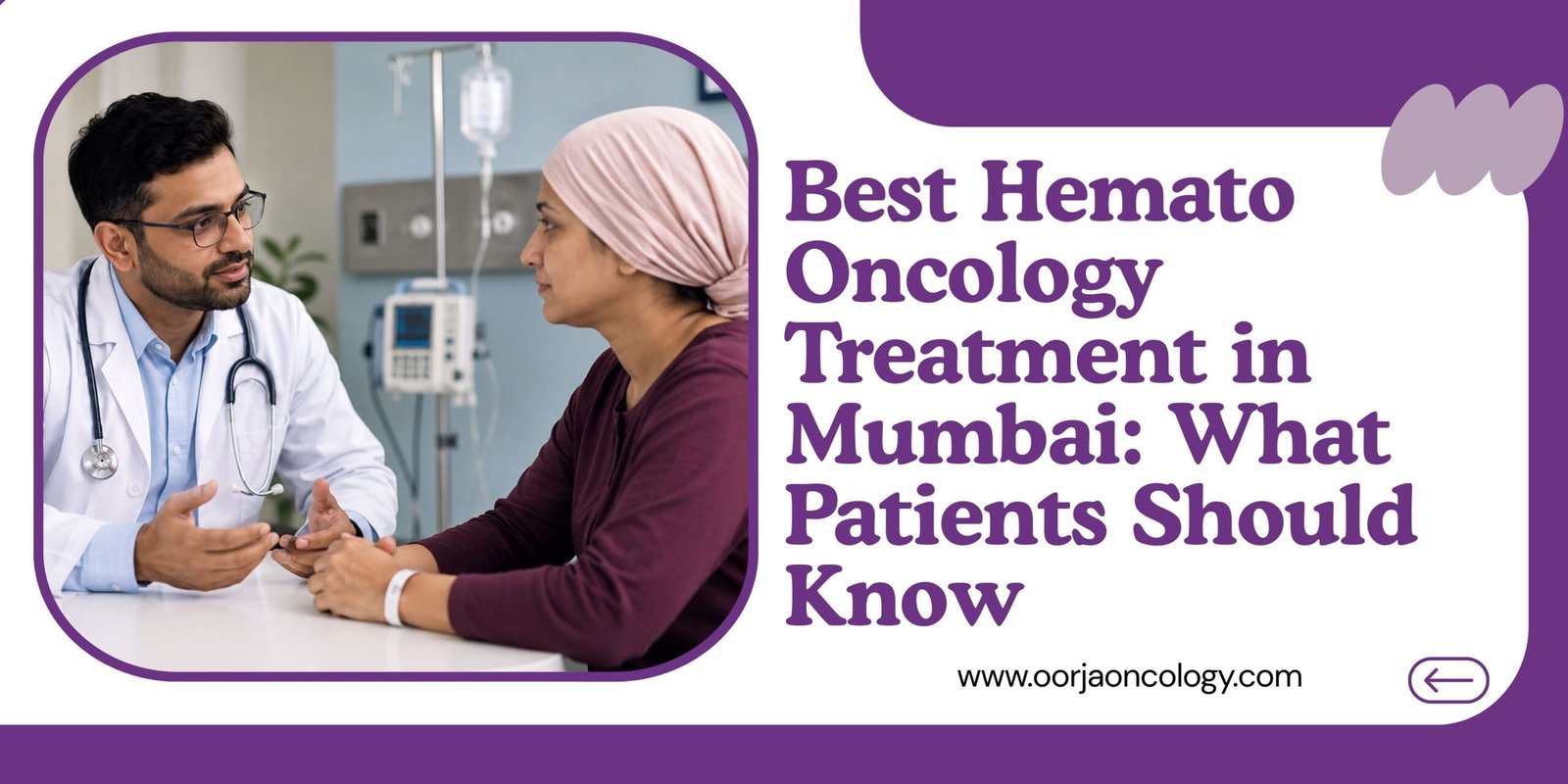
Getting a blood cancer diagnosis is one of the hardest things a person and their family can face. The fear is completely understandable. So is the confusion. Different doctors giving different opinions, unfamiliar treatment names, long waiting times at big hospitals, and no one sitting down to explain what is actually happening. Where do you even start?
This blog is written for patients and families in Mumbai who are searching for honest, clear information about hemato oncology treatment and want to understand their options before making any decisions. We will explain what hemato oncology is, cover each treatment option in plain language, discuss costs openly, and help you understand what to look for when choosing a specialist or hospital in Mumbai.
What Is Hemato Oncology? A Simple Explanation
Many patients arrive at their first appointment having googled the term and still feeling unclear. So let us start at the beginning.
“Hemato” comes from the Greek word for blood. “Oncology” is the branch of medicine that focuses on cancer. Hemato oncology, therefore, is the specialty dedicated to cancers of the blood, bone marrow, and lymphatic system.
A doctor trained in this field is called a hemato oncologist. This is not a general cancer doctor. Hemato oncologists complete additional years of specialized training specifically in blood cancers, which behave quite differently from solid tumor cancers like breast, lung, or colon cancer. Blood cancers spread through the bloodstream rather than forming a single localized tumor, which changes everything about how they are diagnosed and treated.
The conditions managed under hemato oncology include:
Leukemia: Cancer originating in the bone marrow that disrupts normal white blood cell production. It comes in acute forms (which progress quickly and need immediate treatment) and chronic forms (which develop more slowly). Common types include Acute Myeloid Leukemia (AML), Acute Lymphoblastic Leukemia (ALL), Chronic Myeloid Leukemia (CML), and Chronic Lymphocytic Leukemia (CLL).
Lymphoma: Cancer of the lymphatic system. The two broad categories are Hodgkin Lymphoma and Non-Hodgkin Lymphoma. Lymphoma often appears as swollen lymph nodes and can affect organs like the spleen, liver, and lungs as it progresses.
Multiple Myeloma: Cancer of plasma cells in the bone marrow. Plasma cells normally produce antibodies to fight infections. When they become cancerous, they crowd out healthy cells, weaken bones, and impair kidney function.
Myelodysplastic Syndromes (MDS): A group of bone marrow disorders where blood cells do not develop or function properly. Some forms of MDS carry a risk of transforming into acute leukemia.
Aplastic Anemia: A serious condition where the bone marrow stops producing enough blood cells. While not always cancerous, it is treated by hemato oncologists because of the severity of its impact on the blood system.
Lymphomas and rare hematologic disorders also form a significant part of what hemato oncologists manage.
Warning Symptoms That Need Attention
Blood cancers often develop quietly. The early symptoms are easy to dismiss as tiredness, stress, or a passing infection. The problem is that by the time symptoms become obvious, the disease may have advanced. Here are the signs that should prompt a visit to a blood cancer specialist in Mumbai without delay:
Persistent fatigue that does not improve with sleep or rest. This is the most commonly reported early symptom of blood cancer, caused by low red blood cell counts.
Recurring fevers or infections. When white blood cells are abnormal or insufficient, the body cannot fight infections properly. Patients often notice they keep falling sick repeatedly.
Unexplained weight loss over a short period without change in diet or activity.
Drenching night sweats that soak through clothing or bedding.
Swollen lymph nodes in the neck, armpits, or groin area that do not go away after a few weeks.
Unusual bruising or bleeding. Small cuts that take much longer than normal to stop bleeding, or bruises appearing without any injury.
Bone pain, especially in the back, hips, or sternum. This is a common symptom of multiple myeloma.
Pale skin or shortness of breath during ordinary activities.
Itchy skin, particularly after a hot bath or shower, which can be associated with certain types of lymphoma.
If several of these symptoms are present at the same time, or if any one of them has persisted for more than three to four weeks without explanation, get a blood test and see a hemato oncologist. Early detection genuinely changes treatment outcomes.
Hemato Oncology Treatment Options: What Each One Involves
This is where many patients feel overwhelmed. The names of treatments sound complex and the choices feel daunting. Here is a clear explanation of each main option used in blood cancer treatment in Mumbai today.
1. Chemotherapy
Chemotherapy uses medicines to kill cancer cells or prevent them from multiplying. It remains the backbone of treatment for many blood cancers, including acute leukemia and aggressive lymphomas.
Chemotherapy for blood cancers is typically given through an IV drip in cycles, with rest periods between each cycle. Some regimens also include oral chemotherapy tablets. The number of cycles depends on the type of cancer and how the patient is responding to treatment.
Side effects are real and can include nausea, hair loss, fatigue, and a lowered ability to fight infections during treatment. These are managed with supportive medicines and close monitoring. The side effects are temporary. The goal is remission.
2. Targeted Therapy for Blood Cancer
Targeted therapy for blood cancer is one of the most significant advances in oncology treatment in Mumbai and globally over the last two decades. Rather than attacking all fast-dividing cells like chemotherapy does, targeted drugs are designed to block specific proteins or genetic mutations that drive cancer cell growth.
The clearest example is chronic myeloid leukemia (CML). This cancer is driven by a protein called BCR-ABL, produced by a specific chromosomal change. Targeted drugs called tyrosine kinase inhibitors block this protein precisely. Many CML patients now manage their condition with a daily oral tablet and live close to a normal lifespan, which would have been unimaginable 25 years ago.
Other examples include targeted drugs for certain types of AML, follicular lymphoma, and multiple myeloma. Genetic testing before starting treatment determines which targeted therapies apply to your case. This is why molecular profiling has become a standard part of hemato oncology diagnosis at any good hemato oncology clinic.
3. Immunotherapy
Immunotherapy works by helping the patient’s own immune system recognize and destroy cancer cells. Several forms are now used in hemato oncology:
Monoclonal antibodies are lab-made proteins designed to attach to specific markers on cancer cells. Once attached, they either directly kill the cell or flag it for destruction by the immune system. Rituximab for B-cell lymphoma is a well-known example.
Immune checkpoint inhibitors block the signals that cancer cells use to hide from the immune system. By removing this shield, the immune system can recognize and attack cancer cells more effectively.
CAR-T cell therapy is the most advanced form of immunotherapy currently available. The process involves collecting T-cells from the patient’s blood, sending them to a laboratory where they are genetically re-engineered to recognize cancer cells, and then infusing them back into the patient. These modified cells become powerful cancer hunters. CAR-T has shown strong results in patients with relapsed or treatment-resistant B-cell lymphoma and certain leukemias. India now has an indigenously developed CAR-T product approved by the Central Drugs Standard Control Organisation (CDSCO), making it more accessible to Indian patients than before.
4. Bone Marrow Transplant (BMT)
A bone marrow transplant, also called a stem cell transplant, replaces diseased bone marrow with healthy stem cells capable of producing normal blood cells.
There are two main types. An autologous transplant uses the patient’s own stem cells, which are collected and stored before high-dose chemotherapy, then returned to the body afterward. An allogeneic transplant uses stem cells from a matched donor, usually a sibling or a matched unrelated donor found through a registry.
BMT is recommended for high-risk leukemia, relapsed lymphoma, and certain cases of multiple myeloma. It is an intensive process with a significant recovery period, but it offers the possibility of long-term remission or cure in situations where other treatments alone are not sufficient.
Choosing a cancer treatment hospital in Mumbai with an established BMT program, proper ICU support, and experienced transplant physicians is critical if this treatment is likely to be part of your care.
5. Radiation Therapy
Radiation uses high-energy beams to destroy cancer cells in a specific area of the body. In hemato oncology, it is used in select situations: to treat localized lymphoma affecting particular lymph nodes or organs, to treat cancer that has spread to the brain or spinal fluid, or as part of the conditioning process before a bone marrow transplant.
Radiation is rarely used as the only treatment for blood cancers but plays an important supporting role in combination treatment plans.
6. Supportive and Palliative Care
Supportive care is not a secondary concern. It is a core part of good hemato oncology treatment. This includes managing treatment side effects, blood and platelet transfusions when counts drop, antibiotic and antifungal treatment to prevent infections during chemotherapy, nutritional support, and psychological counseling for patients and families.
Patients who receive strong supportive care throughout their treatment tolerate it better, complete their treatment course more consistently, and generally have better outcomes. When evaluating any hemato oncology hospital in Mumbai, ask specifically about their supportive care infrastructure.
How Blood Cancer Is Diagnosed
Accurate diagnosis is the foundation of the right treatment plan. A correct and complete diagnosis tells the specialist what type of blood cancer you have, what stage or phase it is in, which genetic mutations are present, and which treatment options are most likely to work. Skipping or rushing this step leads to incorrect or incomplete treatment.
The standard diagnostic process for blood cancers involves:
Complete Blood Count (CBC) with peripheral blood smear: The first step. Abnormal cell counts or unusual cell appearances under the microscope often raise the first flag.
Bone marrow biopsy: A small sample of bone marrow is taken, usually from the back of the hip under local anesthesia, and examined in detail by a pathologist. This is essential for confirming most blood cancer diagnoses.
Flow cytometry and immunophenotyping: These tests identify the exact type and subtype of cancer cells present by analyzing markers on the cell surface.
Cytogenetic and molecular testing: These tests look for specific chromosomal changes and gene mutations, such as the BCR-ABL translocation in CML or FLT3 mutations in AML. The results directly determine which targeted therapies apply.
PET-CT or CT scans: Used primarily for lymphoma staging to see where in the body the cancer has spread.
Serum protein electrophoresis and urine testing: Standard for multiple myeloma diagnosis alongside bone marrow biopsy.
LDH levels, beta-2 microglobulin, and other blood markers: Used to assess disease burden and prognosis.
A good hemato oncology clinic will conduct all relevant tests in-house or with reliable partner labs, and will review results in a multidisciplinary team setting before finalizing a treatment plan.
What to Look for When Choosing a Hemato Oncology Hospital in Mumbai
This is one of the most common questions patients ask. Mumbai has multiple options across government hospitals, large private chains, and specialized oncology centers. Here is how to evaluate them:
Dedicated hemato oncology expertise. The best hemato oncologist in Mumbai for your case is someone who focuses primarily on blood cancers. Ask how many patients with your specific diagnosis they treat per year. Volume of experience in a specific cancer type matters.
Complete diagnostic infrastructure. Does the hospital have in-house molecular testing, flow cytometry, and genetic profiling? Samples sent to outside labs mean longer waiting times for critical results, especially in acute conditions where days matter.
Full treatment range. Can the center provide chemotherapy, targeted therapy, immunotherapy, and bone marrow transplant all under one roof, or will you need to shift hospitals at a critical point?
Multidisciplinary approach. The best outcomes in hemato oncology come from teams where oncologists, hematologists, pathologists, radiologists, and supportive care specialists review each case together, not independently.
Communication and time for patients. You should never leave a consultation feeling more confused than when you arrived. A good specialist explains your diagnosis in plain language, describes your options clearly, and answers your questions without making you feel rushed.
Accessible location. Blood cancer treatment involves frequent visits over months or even years. Choosing a hemato oncologist in Chembur or another area of Mumbai that is reasonably accessible from your home genuinely reduces the burden on patients and families.
Cost of Blood Cancer Treatment in Mumbai: What to Expect
Most families need a straight answer on cost, and it is fair to ask. The cost of blood cancer treatment in Mumbai varies quite a bit depending on the type of cancer, how advanced it is, the treatment protocol, and the hospital chosen. Here are rough ranges to help you plan:
Chemotherapy: Each cycle typically costs between Rs. 15,000 and Rs. 80,000 depending on the drugs used. Some protocols use expensive biological agents that increase costs significantly.
Targeted therapy: Oral targeted drugs range from Rs. 30,000 to Rs. 2,00,000 per month depending on the specific molecule. Several pharmaceutical companies offer patient assistance programs that reduce or eliminate the cost for eligible patients. Government procurement programs also make some drugs available at subsidized rates.
Bone marrow transplant: An autologous transplant typically costs Rs. 8,00,000 to Rs. 15,00,000. An allogeneic transplant ranges from Rs. 15,00,000 to Rs. 25,00,000 or more at private hospitals. Government hospitals like Tata Memorial offer BMT at significantly lower cost.
CAR-T cell therapy: Currently the highest cost option, generally starting at Rs. 30,00,000. Access through insurance coverage, clinical trials, or compassionate use programs exists for some patients.
What to ask your treating center: Many oncology centers have patient financial counselors who can help identify whether PM-JAY (Pradhan Mantri Jan Arogya Yojana) coverage applies, what insurance documentation is needed, and whether pharmaceutical assistance programs are available for your specific drugs. Ask for this guidance early rather than after treatment has started.
Cost should not be a reason to delay getting a proper diagnosis or specialist consultation. A conversation with the right hemato oncologist will clarify what treatment is actually needed for your specific case, and costs vary widely based on that.
Why Patients Choose Oorja Oncology Centre for Blood Cancer Care in Mumbai
Oorja Oncology Centre is a dedicated hemato oncology clinic in Chembur, Mumbai. The center focuses specifically on blood cancers and blood disorders rather than offering general oncology across all cancer types.
Patients come here from across Mumbai because they want a specialist with a focused practice, not a large department that handles everything from breast cancer to brain tumors alongside blood cancers.
What makes a difference at Oorja:
A practice focused on hematology oncology, not split across many cancer types. This means the team sees a high volume of blood cancer cases specifically.
Complete diagnostic support including access to molecular and genetic testing that forms the basis of personalized treatment decisions.
Treatment plans built around each patient’s individual case, type, stage, and molecular profile, rather than standard protocols applied uniformly.
Clear, consistent communication throughout treatment. Patients and their families understand their diagnosis, their treatment plan, and what each step involves.
Continuity of care with the same specialist from first consultation through active treatment and long-term follow-up.
For patients in Chembur and across Mumbai looking for experienced, dedicated hemato oncology care that does not feel like being processed through a large system, Oorja Oncology Centre is worth consulting.
Frequently Asked Questions
Is blood cancer curable?
Several types of blood cancer are curable, particularly when diagnosed early. Hodgkin Lymphoma has excellent cure rates with modern treatment. Chronic Myeloid Leukemia managed with targeted therapy allows many patients to live close to a normal lifespan. Acute Lymphoblastic Leukemia in children has high cure rates. Other conditions like multiple myeloma are managed with the goal of sustained remission rather than cure. The right answer for your situation depends on the specific type, stage, and molecular characteristics of your cancer. This is exactly the conversation to have with a hemato oncologist.
Should I get a second opinion before starting treatment?
Yes, and do not feel guilty about it. A second opinion from an experienced hemato oncologist, especially for rare or complex blood cancers, is a standard and sensible part of good medical decision-making. It does not mean you distrust your first doctor. It means you are being appropriately careful.
How long will blood cancer treatment take?
This varies considerably. Chemotherapy for acute leukemia often runs for 6 to 12 months including consolidation therapy. Bone marrow transplant involves preparation, the procedure itself, and several months of close monitoring during recovery. Targeted therapy for CML may continue indefinitely as a daily tablet with regular monitoring. Your oncologist will give you a realistic timeline after your complete diagnostic workup is reviewed.
Can I continue working during treatment?
Many patients continue some level of work, particularly during rest periods between chemotherapy cycles. Others need extended leave depending on how their body responds and what their work involves. There is no single answer. Discuss this early with your treating specialist so you and your employer can plan accordingly.
What should I bring to my first consultation at a hemato oncology clinic?
Bring all recent blood test reports, any bone marrow biopsy results if already done, CT or PET scan reports, a list of all current medications, and information about any family history of blood disorders or cancers. If possible, bring a family member with you. Having someone else present to listen and note things down is genuinely helpful during what can be an emotionally overwhelming first meeting.
What is the difference between a hematologist and a hemato oncologist?
A hematologist specializes in blood disorders in general, including non-cancerous conditions like iron deficiency anemia or clotting disorders. A hemato oncologist has additional specialization in blood cancers specifically. For a cancer diagnosis, you want a hemato oncologist.
Do Not Wait. Consult a Specialist Now.
With blood cancers, time matters. Early diagnosis consistently leads to more treatment options, better response rates, and better long-term outcomes. If you or a family member has had unexplained symptoms for more than three to four weeks, or if a routine blood test has flagged something abnormal, the right next step is a consultation with a hemato oncologist in Mumbai.
You do not need a referral to visit Oorja Oncology Centre. You can come with existing reports or start fresh with an evaluation. The team will explain what tests are needed, what the findings mean, and what options are available for your specific case.
Contact Oorja Oncology Centre to schedule your consultation. Patients in Chembur and across Mumbai trust our team for focused, experienced, and honest blood cancer care.